Book Appointment Now

How Much Do Senior Cats Sleep?
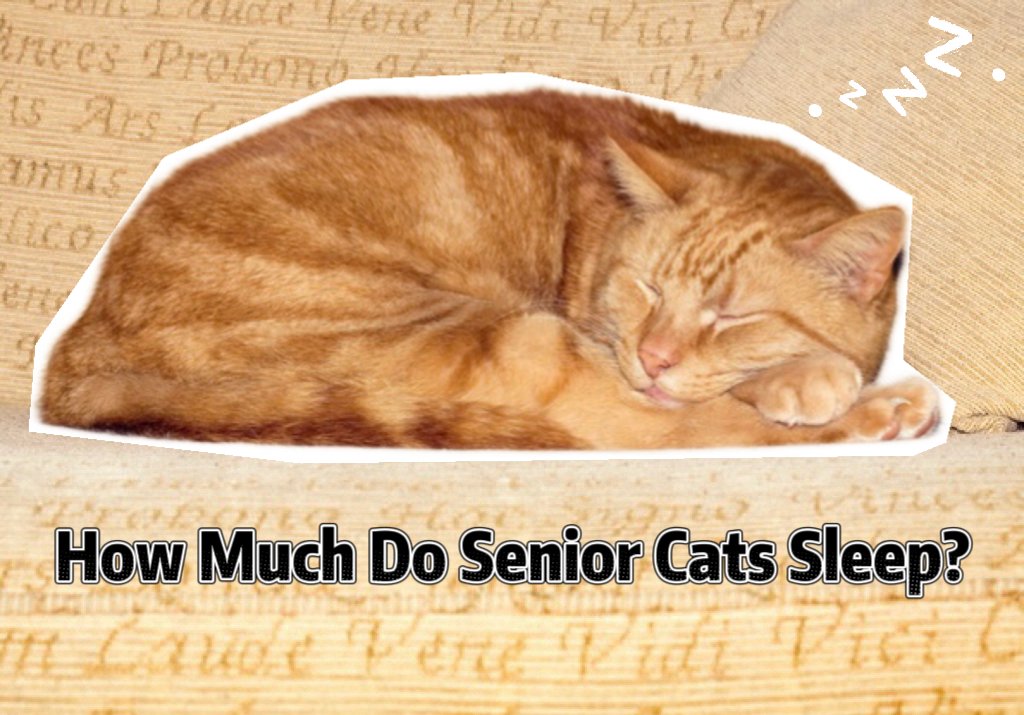
Our feline friends are true sleeping champions, dedicating at least 50% of their lives to rest, a habit that only intensifies as they grow older. Veterinarian Catriona Love notes that while adult cats log 12-16 hours of sleep daily, their senior counterparts can spend up to 18 hours dozing. This isn’t laziness but a different sleep architecture: rather than sleeping for long stretches, cats take frequent 20-30 minute power naps. This pattern is key to their survival instinct as predators, enabling them to remain highly vigilant and ready during waking hours.
Is My Senior Cat Sleeping Too Much?
It is common for senior cats to have longer sleep durations compared to younger cats, which is generally considered a normal part of aging. However, if an older cat consistently sleeps beyond 20 hours per day or exhibits a sudden and significant increase in lethargy, this could be a sign of an underlying health issue that requires attention
To evaluate whether your cat’s sleep patterns are healthy, pay close attention to changes in its daily routines. A reduction in appetite, avoidance of the litter box, or abandonment of other habitual behaviors can serve as important indicators of potential health problems
Furthermore, be observant of social and behavioral shifts. A typically sociable cat that begins to hide, withdraw from interaction, or shows unusual difficulty being awakened may be experiencing discomfort. Other warning signs include disorientation or a noticeable loss of interest in previously enjoyed activities. If these symptoms occur, it is advisable to consult a veterinarian promptly to check for any serious health conditions
Is My Senior Cat Not Sleeping Enough?
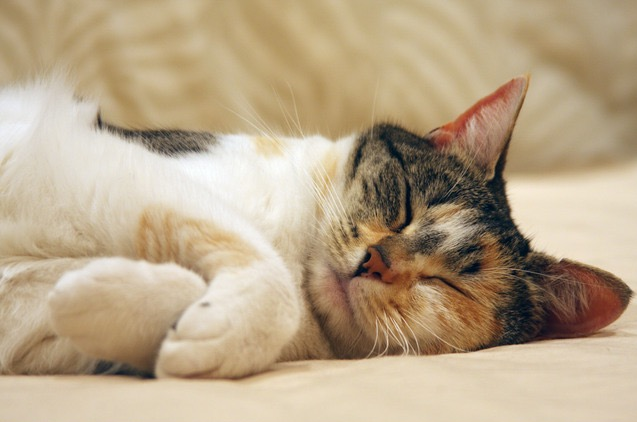
Conversely, certain senior felines might find it challenging to obtain quality sleep. Although they don’t exhibit obvious signs like eye-rubbing as humans do, there are less apparent indicators to watch for. You might observe them shifting positions repeatedly, circling persistently before lying down, or experimenting with new resting spots in an attempt to find comfort. These behaviors often point to underlying discomfort, frequently caused by pain from conditions like arthritis—which affects up to 80% of cats over age 8—or medical issues such as hyperthyroidism, kidney disease, or hypertension that disrupt sleep cycles.
Additionally, restlessness, irritability, or increased nighttime vocalization can be key indicators of poor rest. If these signs occur regularly, a veterinary examination is essential to diagnose and treat the root cause, while also ensuring your cat’s sleeping area is as comfortable as possible
How To Help Your Senior Cat Sleep Soundly?
With a few loving adaptations, you can significantly enhance the comfort and restfulness of your cat’s golden years. By creating a tranquil sanctuary and making mindful changes to their daily routine, you can help your senior feline companion enjoy the peaceful and cozy retirement they deserve
1.Create a Quieter and More Peaceful Environment
Senior cats, much like elderly people, frequently become more susceptible to interruptions in their environment. Ensuring their sleeping area is a tranquil sanctuary, away from the bustling activity of the home especially at night, helps them remain calm. For families with a lively atmosphere, it’s beneficial to arrange a snug hideaway in a quiet corner to support their well-being
2.Offer a Cozy Bed
Providing a comfortable bed for senior cats is essential for their well-being, as it addresses age-related issues like arthritis and joint stiffness.These beds also provide warmth, which is crucial for older cats struggling with temperature regulation . A dedicated sleeping area enhances sleep quality, reduces stress by offering a secure retreat, and supports overall health by improving circulation . Investing in a suitable bed ensures senior cats enjoy comfort and dignity in their golden years.
Recommended Product
3.Engage in Regular Exercise
Even as cats get older, they still benefit from daily play and interaction. Their idea of fun might change, but engaging them in gentle play with a feather wand or encouraging them to use a scratching post can keep them moving and help them sleep more soundly.
Recommended Product
4.Stimulate the Mind
Keep your senior cat’s mind active and content with gentle activities like puzzle feeders and brief training games. These engaging pastimes help satisfy their curiosity and can lead to quieter, more peaceful days and nights by minimizing restlessness and excessive meowing.